18005712010 /
Free shipping on all order above Rs.500
Free shipping on all order above Rs.500

Key Takeaways
Repeat breeding, a condition where dairy animals fail to conceive despite multiple inseminations, is a widespread problem. It affects dairy farms by increasing the calving interval, thereby reducing the annual birth rate of calves and impacting overall milk production.
A repeat breeder cow or buffalo is typically defined as an animal that has failed to conceive after three or more inseminations, despite being cyclically normal. This condition leads to significant economic losses due to extended calving intervals and reduced milk yield.
The economic implications of repeat breeding are substantial. The increased calving interval not only reduces milk yield but also raises the costs associated with herd management, including expenses on repeated inseminations and the eventual culling of non-responsive animals. As noted by dairy farming experts, "The cost of managing repeat breeders can be a significant burden on dairy farm finances."
"The failure to conceive in otherwise normal cyclic dairy animals has led to increased calving intervals, reducing the annual birth rate of calves and impacting farm productivity."
Dairy Farming Expert
Understanding these factors and their impact on repeat breeding can help dairy farmers implement targeted strategies to improve reproductive efficiency and reduce economic losses.
Common Causes of Repeat Breeding in Cattle
Understanding the causes of repeat breeding is crucial for dairy farmers to improve the reproductive efficiency of their cattle. Repeat breeding, a condition where cows or buffaloes fail to conceive despite multiple inseminations, can be attributed to a variety of factors.
Hormonal imbalances play a significant role in the reproductive cycle of cattle. Dysfunction in hormonal regulation can lead to irregular estrous cycles, ovulation disorders, and reduced fertility. For instance, improper levels of progesterone and estrogen can disrupt the normal reproductive process, making it challenging for cows to conceive.
Infections and abnormalities in the reproductive tract are another major cause of repeat breeding. Conditions such as endometritis, metritis, and salpingitis can lead to inflammation and scarring, potentially causing tubal obstructions that hinder fertilization. Regular monitoring and timely treatment of such infections are crucial to maintaining reproductive health.
Management and nutritional factors significantly impact the reproductive performance of dairy cattle. Poor heat detection, improper insemination timing, and nutritional deficiencies can all contribute to repeat breeding. For example, deficiencies in minerals like copper, zinc, and selenium can affect reproductive hormone production and embryo development. Ensuring optimal nutrition and adopting best management practices can help mitigate these issues.
Some key management and nutritional factors to consider include:
By addressing these factors, dairy farmers can reduce the incidence of repeat breeding and improve the overall reproductive efficiency of their herds.
Identifying the signs that your dairy animal requires treatment for repeat breeding is crucial for maintaining a healthy and productive herd. Repeat breeding syndrome can lead to significant economic losses if not addressed promptly. By recognizing the early indicators, dairy farmers can take timely action to mitigate the issue.
One of the primary signs that a dairy animal may need treatment for repeat breeding is experiencing regular heat cycles without achieving conception. This can be due to various underlying issues, including hormonal imbalances, reproductive tract infections, or management and nutritional factors. Key indicators include:
These signs suggest that the animal may be developing repeat breeding syndrome, necessitating early intervention to restore fertility.
Changes in reproductive performance are another critical indicator that a dairy animal may need treatment for repeat breeding. Such changes can manifest in various ways, including:
As emphasized by experts, "Early detection and appropriate treatment of these issues are crucial for improving the reproductive efficiency of dairy herds." By monitoring these changes and addressing them promptly, dairy farmers can enhance the overall reproductive health of their animals.
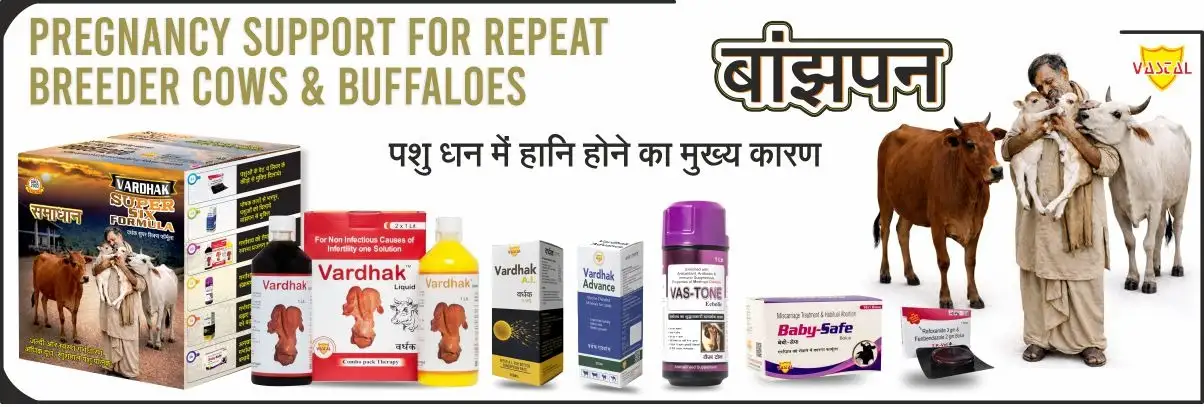
Super Six Formula by Vastal Pharmaceuticals is a game-changer for dairy farming, addressing the issue of repeat breeding in cattle. This innovative product is designed to support successful pregnancies, reduce infertility, and promote healthy reproductive cycles for higher productivity in dairy cows and buffaloes.
The formula's unique blend addresses various factors contributing to repeat breeding, including hormonal imbalances, reproductive tract infections, and nutritional deficiencies. By tackling these underlying issues, Super Six Formula ensures that dairy cows are fertile and ready for successful breeding.
Dairy farmers using Super Six Formula report several benefits, including:
By choosing Super Six Formula, dairy farmers can significantly enhance the fertility and productivity of their dairy cows and buffaloes, leading to improved farm profitability and sustainability.
The Super Six Formula is a comprehensive solution designed to address repeat breeding issues in dairy cows and buffaloes. This formula comprises six powerful components, each targeting a specific aspect of reproductive health to ensure successful conception and pregnancy.
T.P Vet Bolus is crucial for removing parasitic infections that can hinder reproductive performance. Eliminating these obstacles, it helps ensure a healthy reproductive system, thereby improving the chances of successful conception and reducing the risk of repeat breeding.
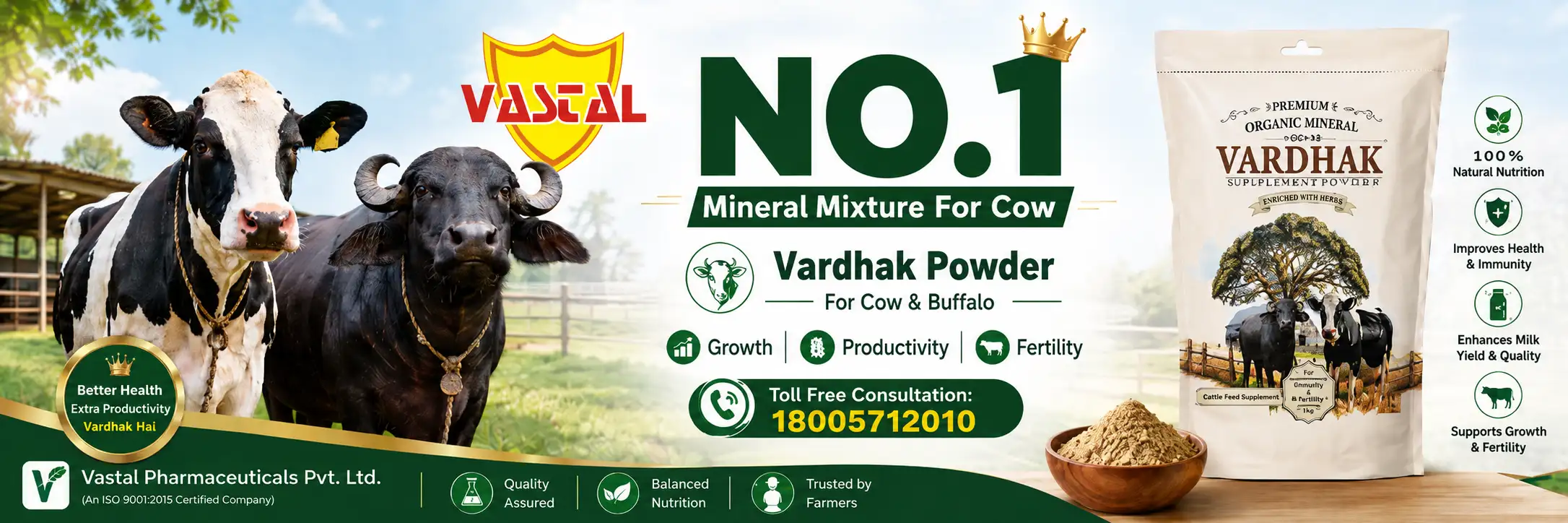
Vardhak Advance is formulated to prepare the uterus for breeding by enhancing its health and receptivity. This preparation is vital for successful implantation and conception, making it an essential component for dairy farmers looking to improve reproductive efficiency in their cow herds.
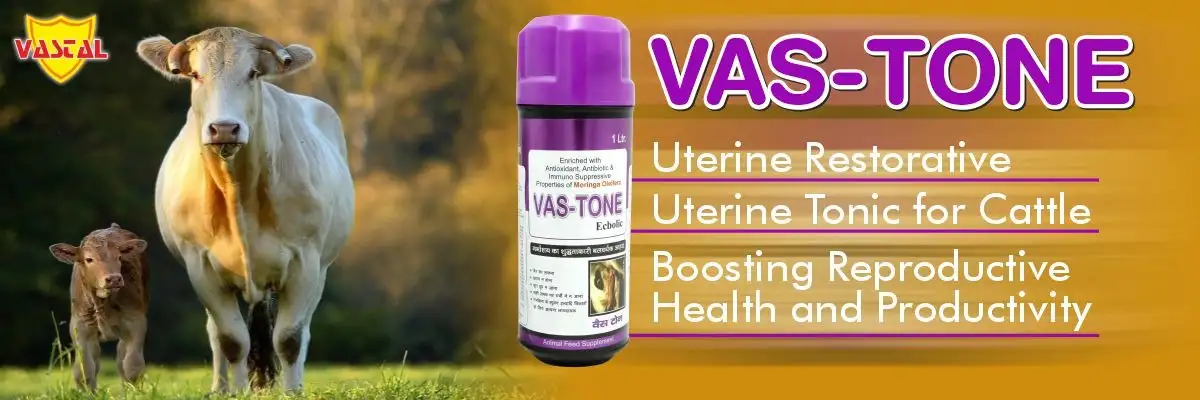
Vastone is the best uterine cleanser tonic for cows and buffaloes and plays a significant role in maintaining uterine health by providing essential nutrients and support. Its formulation helps in keeping the uterus in optimal condition for conception and pregnancy, addressing one of the main reasons for repeat breeding.
Vardhak A.I. is designed to improve the success rate of artificial insemination. Enhancing reproductive health and optimizing the conditions for insemination, it increases the chances of successful conception, making it a valuable tool for dairy farmers.
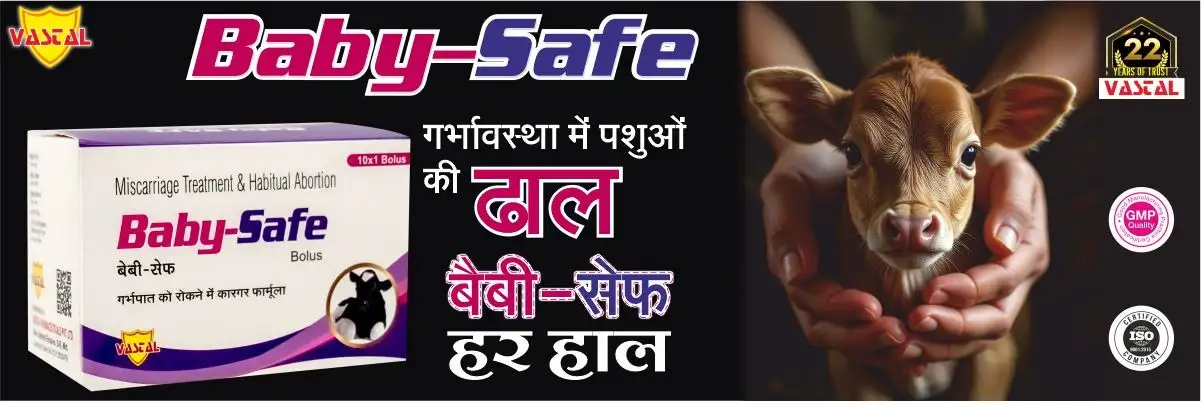
Baby Safe Bolus is aimed at reducing the risk of abortion by supporting fetal health and development. Its ingredients help in maintaining a healthy pregnancy, ensuring that the dairy cow or buffalo remains productive and healthy.
Vardhak-Liquid serves as a comprehensive reproductive tonic that supports overall reproductive system function and vitality in dairy animals. The liquid formulation ensures rapid absorption and utilization of its active ingredients, providing quick support to the reproductive system. It contains essential vitamins and minerals, including selenium, copper, zinc, and vitamins A, D, and E, specifically selected to support reproductive health. Vardhak-Liquid helps regulate hormonal balance throughout the reproductive cycle, addressing subtle imbalances that may be a hidden reason for repeat breeding. By supporting liver function and addressing negative energy balance issues, Vardhak-Liquid revitalizes reproductive performance, making it an indispensable component of the Super Six Formula.
The success of Super Six Formula depends on its correct usage, which is outlined in this step-by-step guide. To achieve the best results, dairy farmers must follow the administration protocol carefully.
Administering Super Six Formula at the right time is crucial for its effectiveness. The treatment should be given during the animal's heat cycle, ensuring that the reproductive system is prepared for conception. Proper timing enhances the formula's ability to address repeat breeding issues. It's recommended to start the treatment on the day of observed heat or the day after.
The dosage for Super Six Formula is designed to be easy to administer. For both cows and buffaloes, the complete treatment cycle involves administering the six components according to the specified schedule. It's essential to follow the dosage instructions precisely to ensure the formula's efficacy. The components should be administered as directed, without skipping any doses, to achieve the desired outcome.
After administering Super Six Formula, it's vital to monitor your animals closely for signs of improved reproductive health. This includes observing heat expression intensity and duration, as well as watching for any unusual discharge or signs of infection. Regular monitoring helps in early detection of any issues and ensures the treatment's effectiveness. Maintain detailed records of treatment administration dates, observed heat signs, and insemination timing for each animal.
By following these guidelines and maintaining accurate records, dairy farmers can maximize the benefits of Super Six Formula and improve the reproductive health of their animals.
To maximize the effectiveness of Super Six Formula, it's crucial to implement complementary management practices that support reproductive health and optimize breeding outcomes in your dairy herd.
Proper nutrition plays a vital role in maintaining optimal reproductive performance. Ensuring that your cows have a balanced diet and achieving a suitable body condition score (BCS) is essential. A BCS between 3 and 3.5 is generally considered optimal for dairy cows.
Effective heat detection is fundamental to successful breeding programs. Techniques such as visual observation, using heat detection aids, and monitoring behavioral changes are essential. The AM-PM rule is a valuable guideline: cows first observed in heat in the morning should be inseminated in the afternoon, while those observed in the afternoon should be inseminated the following morning.
The timing of insemination is critical for maximizing conception rates. For artificial insemination, the ideal window is 12-18 hours after the onset of standing heat, corresponding to 6-12 hours before ovulation. Proper semen handling and placement in the uterine body rather than the cervix are also crucial.
Consider using split inseminations for valuable repeat breeder animals to increase the chances of successful fertilization.
Repeat breeding syndrome is a significant challenge for dairy farmers, but with the comprehensive approach offered by Super Six Formula, most affected animals can return to productive fertility. The multi-component system of Super Six Formula addresses the complex nature of repeat breeding by targeting parasitic issues, uterine health, hormonal balance, and embryonic survival simultaneously.
By implementing the Super Six Formula as part of a holistic management approach that includes proper nutrition, accurate heat detection, and optimal insemination timing, dairy farmers can restore fertility in their valuable dairy animals. Early intervention is key; treating repeat breeders after three unsuccessful inseminations can significantly reduce the economic impact on your dairy operation.
Super Six Formula helps maintain optimal calving intervals, sustain milk production, and reduce unnecessary culling. With its proven effectiveness and ease of use, Super Six Formula offers a practical solution to one of the most frustrating reproductive problems in modern dairy farming, directly improving farm profitability.
 FAQ
 A repeat breeder cow or buffalo is a dairy animal that has failed to conceive after multiple inseminations, typically three or more, despite being in good health and receiving proper breeding management.
Common causes include hormonal imbalances, reproductive tract infections and abnormalities, management and nutritional factors, and issues related to artificial insemination.
 Super Six Formula is a comprehensive solution designed to address the various causes of repeat breeding by providing a combination of products that support reproductive health, uterine health, and overall fertility.
 The formula includes T.P Vet Bolus for parasitic control, Vardhak Advance for reproductive health, Vastone for uterine health, and other components that work together to support fertility and conception.
 Administration involves a step-by-step process that includes proper timing, dosage instructions, and monitoring your animals after treatment to ensure optimal results.
 Yes, complementary management practices such as proper nutrition, body condition score management, heat detection techniques, and proper timing of insemination can enhance the effectiveness of Super Six Formula.
Benefits include improved fertility, reduced incidence of repeat breeding, enhanced reproductive performance, and ultimately, increased profitability for your dairy farm.
Super Six Formula is designed for use in dairy cows and buffaloes experiencing repeat breeding issues, but it's essential to consult with a veterinarian to determine the best approach for your specific situation.