18005712010 /
Free shipping on all order above Rs.500
Free shipping on all order above Rs.500

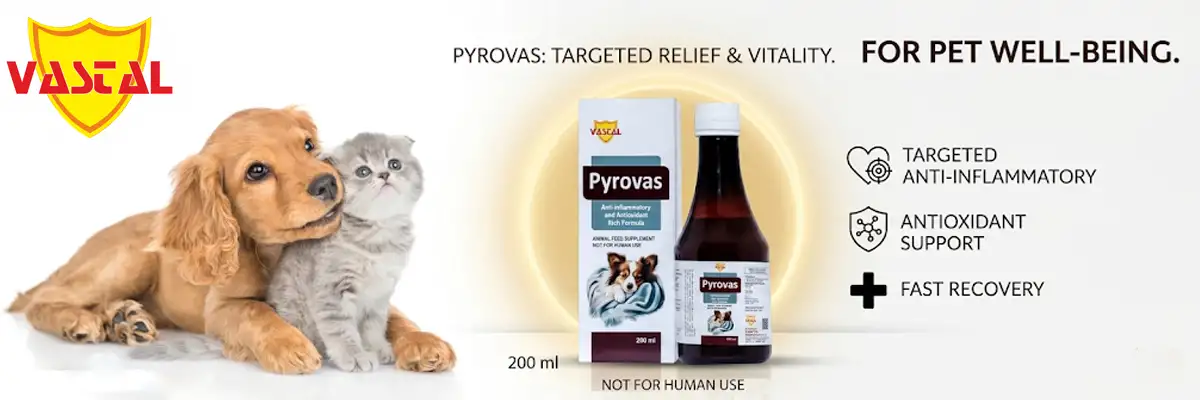
When your beloved companion is in discomfort, your first instinct might be to offer a piece of your own pain relief. But what if that act of care is the most dangerous thing you could do?
Many common human medications, like ibuprofen, are highly toxic to animals. They can cause severe gastrointestinal ulceration and kidney failure in your furry family member. Their bodies process drugs very differently from ours.
Managing your animal's swelling and discomfort is a critical responsibility. You must always prioritize professional veterinary advice.
This guide explores how to safely provide comfort. We focus on solutions specifically formulated for your pet's unique needs, avoiding the risks of human drugs. Your quest for their well-being starts with the right knowledge.
Human pain relievers like ibuprofen are poisonous to pets and can cause internal damage.
Always seek a veterinarian's guidance before giving any medication to your dog or cat.
Treatments made for animals are designed for their specific physiology and are safer.
Providing quick relief is important, but never at the cost of your pet's safety.
Understanding the cause of inflammation is the first step toward effective management.
Nature offers a rich pharmacy of herbs and botanicals that may help soothe your animal's aches. Many guardians look beyond standard pharmaceuticals for supportive care. This path focuses on gentle, plant-derived support.
These are substances from plants or foods that assist the body's own management of swelling. They work differently from synthetic drugs. Often, they help modulate chemical messengers like prostaglandins.
Prostaglandins signal the start of swelling and discomfort. A herbal anti-inflammatory for dogs aims to influence these pathways gently. The goal is to support the body's natural response, not shut it down completely.
Specific botanicals are popular for managing chronic conditions in canines. This approach provides natural pain relief for dogs and cats using plant-based compounds. These compounds aid the internal response to physical injury or irritation.
Selecting the right support requires understanding these pathways. Always consult your veterinarian before starting any new regimen. Their guidance ensures the chosen herbs are safe and effective for your companion.
Properly managing this bodily process can greatly enhance your pet's comfort and mobility in their later years.
The decision to use medication for your furry friend involves weighing significant benefits against possible risks. Effective therapy can provide substantial relief, improving mobility and quality of life. However, understanding the potential side effects is equally crucial for their long-term health.
Veterinarians often recommend a panel of blood work before starting a long-term course of NSAIDs. This monitors liver and kidney function, helping to minimize the risk of side effects. A thorough physical examination is the first step in any safe treatment plan.
Managing chronic pain requires a balanced approach. The benefits of reduced inflammation must be paired with regular veterinary monitoring. Stay vigilant for subtle signs of discomfort in your pets, as early detection can prevent more serious issues.
Always have a detailed conversation with your vet. Discuss the specific advantages and potential complications to ensure your canines receive the safest possible care. This partnership is key to achieving lasting relief for your companion.
Scientific research is now uncovering the potent benefits of plant-based compounds for canine joint health. Identifying the best natural anti-inflammatories for dogs involves reviewing validated studies on supplements.
Ingredients like turmeric and boswellia are celebrated for their soothing properties. These botanicals work by gently influencing the body's chemical pathways linked to swelling.
They provide a supportive option distinct from conventional medications. This approach targets discomfort at its source.
Many guardians report significant improvements in their companions' mobility. "After adding a curated blend, my senior pet started climbing stairs again," shares one owner.
Such anecdotes highlight real-world relief from chronic joint issues. Reduced inflammation often leads to a happier, more active life.
Herbal formulas don't just mask discomfort. They interact with your canine's biology on a cellular level. Their goal is to modulate the body's own complex inflammatory response.
This process often involves influencing key enzymes. COX-2-selective medications, for example, block prostaglandins linked to soreness. They allow beneficial ones to protect vital organs.
A high-quality herbal anti-inflammatory for dogs works through these supportive pathways. It may offer a gentler approach to managing chronic pain.
Always check that a new supplement won't interfere with your pet's current medicines. Combining treatments needs a vet's guidance.
Knowing how a remedy works is the first step in using it safely within a long-term wellness plan.
By aiding the body's natural healing, these botanicals support lasting relief. They can be an effective part of a full management strategy for your companion.
The journey toward your companion's comfort can be supported by carefully selected, natural ingredients. Many guardians prioritize safe solutions to avoid potential side effects from stronger pharmaceuticals.
While medications like Metacam are prescribed by vets for specific conditions, a natural approach offers a gentler path. It focuses on supporting the body's own processes.
This strategy often includes specific dietary adjustments and targeted supplements. These can help manage systemic inflammation throughout your pet's body.
Always choose products that have been rigorously tested for purity and potency. Your pet's safety depends on this quality assurance.
It is essential to monitor your animal closely when introducing any new regimen. Watch for positive changes in mobility and overall demeanor.
Finally, consult your veterinarian about integrating these options into your existing plan. Their guidance ensures you maximize comfort and well-being for your furry family member.
A holistic approach to your animal's health focuses on foundational lifestyle habits. Daily choices in nutrition and activity form the bedrock of long-term comfort. This strategy aims to reduce inflammation in dogs naturally by supporting their body's own balance.
What your companion eats directly impacts their systemic inflammation. A high-quality, anti-inflammatory diet rich in omega-3 fatty acids can soothe joints. This nutritional support is crucial for managing chronic pain.
Maintaining a lean body weight is equally vital. Excess pounds place constant stress on joints, worsening discomfort. Controlled, regular exercise helps manage weight and improve mobility over time.
You should consistently monitor your pet's activity and comfort levels. Gentle walks and swimming are excellent low-impact options. This careful observation is key to tailoring a successful plan.
Incorporate specific nutrients known for their soothing properties, like glucosamine. Always collaborate with your veterinarian to create a personalized regimen. Their guidance ensures you provide effective relief safely.
The breakdown of cartilage, known as osteoarthritis, leads to bone-on-bone contact and significant discomfort in aging pets. This condition causes stiffness, swelling, and lameness. Managing it effectively calls for a thoughtful, combined strategy.
Achieving lasting comfort often requires more than one solution. The most successful plans blend supportive movement with targeted nutritional aids. This dual approach addresses the issue from multiple angles.
Gentle, low-impact activities are crucial. They maintain muscle strength and joint mobility without causing further stress. Swimming is an excellent choice, as the water supports body weight.
Short, controlled walks on soft surfaces also provide great benefit. The key is consistency and observing your pet's response. Stop if you see any signs of increased soreness.
Nutritional support plays an equally vital role. Specific supplements are designed to nourish cartilage and help manage systemic swelling. Ingredients like glucosamine and omega-3 fatty acids are commonly used.
Watch your companion closely for signs of stiffness, especially after rest. This monitoring is the first step toward seeking effective relief. Always discuss your plan with your veterinarian to ensure safety and synergy with any other care.
Integrating simple, safe practices at home can enhance the effectiveness of professional medical treatment. A comprehensive dog inflammation treatment plan often blends veterinary guidance with the supportive care you provide.
This balanced approach ensures your companion gets well-rounded support for their discomfort.
When considering a dog pain relief home remedy, safety is the top priority. Always avoid human foods or substances that could be toxic.
Gentle methods like warm compresses applied to sore joints can offer noticeable relief. Similarly, a soft massage may improve circulation and ease muscle tension.
It is vital to consult your veterinarian before trying any new supportive care. They can confirm if a specific method is suitable for your pet's condition.
Watch your companion closely for any adverse reactions. If your dog develops vomiting or diarrhea, stop any supplement or remedy immediately. Contact your veterinarian for further guidance and care.
Proper management of inflammation and pain is a team effort between you and your vet. Your attentive care at home is a powerful part of your pet's journey to comfort.
Pet owners today face a significant choice: rely on traditional veterinary drugs or explore gentler botanical alternatives. Nonsteroidal anti-inflammatory drugs (NSAIDs) are a common class of pharmaceuticals prescribed for canines. They offer powerful relief from acute pain and inflammation.
These conventional anti-inflammatory drugs are highly effective for severe cases. They are often the gold standard after surgery or for advanced arthritis in dogs. However, they require strict veterinary oversight to prevent serious side effects.
Comparing both approaches reveals important trade-offs. Conventional anti-inflammatory drugs provide fast symptom relief. Yet, they carry a potential risk of long-term organ toxicity with prolonged use.
Natural options work more gradually to manage chronic pain. They aim to support the body's own response to inflammation. Many guardians combine both strategies to lower the required dosage of pharmaceuticals.
This integrated approach can minimize adverse reactions. Always consult your veterinarian before switching or combining treatments. Their guidance ensures the safety and well-being of your canine companion.
Navigating the vast market of pet supplements can feel overwhelming for any caring owner. Your goal is to find a product that offers genuine support for your companion's joint health and overall comfort.
Identifying the best anti-inflammatory supplement for dogs requires looking beyond marketing claims. Focus on brands that provide independent, third-party testing certificates. These verify the product's purity, potency, and safety for your pets.
Effective formulas often contain ingredients like omega-3 fatty acids and glucosamine. Science supports their role in managing inflammation and supporting cartilage health.
Always check the label for clear dosing instructions based on your animal's weight and age. A high-quality supplement can significantly reduce the long-term need for stronger medications. This provides lasting relief for aging companions.
Consult your veterinarian before starting any new regimen. They can confirm compatibility with your pet's current treatments. Remember, with any prescription medication, review the accompanying "Information for Dog Owners" sheet. This ensures you fully understand all potential risks and benefits.
A trusted supplement prioritizes transparency and scientific backing for every ingredient.
By choosing wisely, you invest in your pet's mobility and help manage chronic pain effectively. This proactive step supports a happier, more active life for your furry family member.
Beyond managing specific ailments, fortifying overall immunity is key to your animal's long-term wellness. A robust defense system helps the body respond better to stress and injury. This foundational support is crucial for chronic inflammation.
Using an immune booster for dogs and cats strengthens this natural shield. It can be especially helpful for managing ongoing discomfort. Ayurvedic options like Himalaya Himpyrin provide targeted immune support.
These supplements often contain powerful antioxidants. These compounds neutralize free radicals in the body. This action may reduce overall pain and promote relief.
Choosing an effective immune booster for dogs and cats involves selecting natural ingredients. Look for components that support overall vitality and aid recovery. This helps your pets bounce back faster from illness.
Integrating such a supplement into daily care offers long-term benefits. It supports health and longevity for your canine friends. Consistent use can lead to noticeable improvement in their energy.
Always discuss any new regimen with your veterinarian. They ensure it complements your current plan for pain relief and well-being. Professional guidance maximizes safety and effectiveness.
Veterinary care increasingly includes targeted nutritional support alongside traditional therapies for enhanced wellness. This integrated approach combines specific nutrients with other treatments for better management of chronic conditions.
These science-backed supplements, called nutraceuticals, work with your pet's biology. They offer supportive care for long-term comfort and mobility.
Getting the dosage right is crucial for safety and effectiveness. Incorrect amounts can lead to digestive issues or reduced benefits.
Omega-3 fatty acids are essential for managing inflammation. They provide natural relief from joint pain and support skin health.
These fatty acids must be given in precise amounts based on your canine's weight. Too much can upset their stomach.
Chondroitin sulfate is another key player. It helps maintain cartilage structure and function.
Combining chondroitin sulfate with other supplements creates a powerful synergy. This enhances overall joint pain management for your pets.
Proper dosing of these compounds is critical for managing chronic inflammation. Always consult your veterinarian to determine the right levels for your specific canine.
They can tailor a plan that maximizes relief while minimizing any risks. This professional guidance ensures your companion gets the best possible support.
Professional veterinary oversight ensures that natural support options are both safe and effective for your pet. A vet must determine if any treatment, including NSAIDs, is appropriate and monitor health during use.
This guidance is vital to prevent harmful interactions with other medicines. Your veterinarian can assess whether botanical remedies are sufficient or if stronger pharmaceuticals are needed.
Contact your vet immediately if your canine shows persistent signs of discomfort or swelling. Underlying conditions may require urgent medical attention.
Regular check-ups allow for progress monitoring and treatment adjustments. This ensures your companion receives optimal relief.
A veterinarian's input transforms a well-meaning choice into a scientifically sound part of your pet's health plan.
Never hesitate to reach out if you notice any shifts in your animal's well-being. Proactive communication with your vet is the cornerstone of safe management for chronic inflammation.
Every medication carries a possibility of unwanted reactions, and being prepared is your best defense. Common issues with NSAIDs in dogs include vomiting, diarrhea, loss of appetite, and lethargy. More serious problems can involve damage to the liver, kidneys, or stomach lining.
Being aware of potential side effects is crucial for any owner. Some can be serious and need immediate veterinary intervention. If you notice signs like tarry stools or yellowing gums, stop the medication and call your vet to manage the risk side effects.
Managing the risk side involves keeping a close eye on your canine. Report any unusual symptoms right away. While many reactions are mild, serious complications can occur. Understanding this risk is vital for safety.
This knowledge helps you provide better relief while minimizing pain from inflammation. Always have your veterinarian's number and the Pet Poison Helpline handy. This prepares you for any unexpected side effects that may arise.
Chewable tablets have become a popular method for delivering medicine to pets, but their effectiveness depends on proper use. Observing your companion's reaction is essential for achieving the desired outcome.
When you give these flavored pills, ensure your animal consumes the entire dose. This helps manage their discomfort and lower systemic swelling.
Track their response closely. You might need to tweak the amount to offer optimal comfort.
Vets often choose this form because it's convenient and palatable. Keep a daily journal of symptoms and their reaction to the pills.
This record helps your veterinarian make smart choices about ongoing care. If your pal struggles with the pills, talk about other options.
This proactive approach ensures your furry friend gets the necessary support. It turns a simple pill into a powerful tool for their well-being.
Your commitment to your pet's comfort is the cornerstone of managing their well-being through chronic conditions. Effective management blends professional veterinary guidance with safe, supportive practices at home. Always consult your veterinarian before introducing any new supplement or remedy. Human medications are dangerous and must be avoided. Your vigilance and consistent care are vital for lasting relief. By closely observing your companion, you can adjust approaches to ensure a comfortable, active life. High-quality, veterinarian-approved products offer reliable support for managing pain and inflammation. We hope this guide empowers you with knowledge to provide compassionate care. Your dedication makes a profound difference in your pet's quality of life.
Natural anti-inflammatories are plant-based or nutritional ingredients that help reduce swelling and discomfort. Common options include turmeric, boswellia, and omega-3 fatty acids from fish oil. These work with your pet's body to support a normal inflammatory response without the risks associated with some conventional drugs.
Many herbal ingredients are safe when formulated specifically for pets and used correctly. However, it's crucial to choose products designed for animal use, as human supplements can be dangerous. Always consult your veterinarian before starting any new regimen, especially if your pet has an existing condition like kidney disease.
High-quality natural supplements typically have fewer adverse effects than conventional NSAIDs. Some pets might experience mild digestive upset, such as vomiting or diarrhea. Choosing a reputable brand and proper veterinary monitoring can help minimize any risk and ensure a safe experience for your companion.
Omega-3 fatty acids, particularly EPA and DHA found in fish oil, are powerful nutrients that help manage inflammation. They work at a cellular level to support joint health and skin condition. This makes them a cornerstone of many plans for managing osteoarthritis in dogs and promoting overall wellness.
Some natural supplements can be part of a recovery plan. Ingredients like chondroitin sulfate support tissue repair. However, you must never use them as a sole replacement for prescribed post-operative pain medication without explicit guidance from your vet, who will recommend the safest approach.
You should seek professional help immediately if your pet shows sudden lameness, severe discomfort, or signs of distress. For ongoing issues like stiffness, a vet visit is essential to get a proper diagnosis and create a tailored management plan that may combine natural supplements with other therapies.